


5 Latest Innovations in Medical Tattoo Techniques

Updated: Dec 3, 2025
Discover the cutting-edge advancements revolutionizing medical tattooing, from precision pigment matching to advanced healing protocols. These innovations are transforming how professionals approach scar camouflage, areola restoration, and skin reconstruction.
Transforming Scar Camouflage with Advanced Techniques
Medical tattooing has come a long way. The latest advancements are changing the landscape for those seeking to improve their appearance after surgery or injury. These innovations not only enhance the aesthetic results but also boost confidence and self-esteem.
Advanced Color Matching Technology
One of the most significant breakthroughs in medical tattooing is sophisticated color matching systems. These systems analyze skin undertones with remarkable precision. Modern spectrophotometers can identify subtle variations in melanin distribution. This allows practitioners to create custom pigment blends that seamlessly integrate with natural skin tones.
This technology is especially beneficial for clients with complex scarring patterns or those who have experienced color changes due to medical treatments. The ability to match not just surface color but also underlying undertones means results appear more natural under various lighting conditions.
Professional training programs now incorporate these advanced color theory principles. Practitioners learn how different skin types respond to pigment implantation. This scientific approach reduces the guesswork traditionally associated with color selection. It also improves long-term satisfaction rates.
Micro-Needling Integration Techniques
The integration of controlled micro-needling with medical tattooing represents a revolutionary approach to treating challenging scar tissue. This dual-technique method first prepares the skin through precise micro-trauma. This creates optimal conditions for pigment acceptance while promoting natural collagen production.
For clients with raised or textured scars, this combined approach addresses both color discrepancies and surface irregularities. The micro-needling component helps flatten scar tissue while the tattooing process restores natural pigmentation patterns.
Training in these integrated techniques requires understanding both dermatological healing processes and advanced tattooing methods. Practitioners learn to assess when combination treatments provide superior outcomes compared to traditional single-modality approaches.
3D Areola Reconstruction Advances
Three-dimensional areola tattooing has evolved dramatically. New shading techniques create remarkably realistic texture and depth. Modern practitioners use layered pigmentation methods that mimic the natural variations found in healthy areolar tissue.
The latest innovations include specialized needle configurations designed specifically for creating subtle texture variations. These tools allow for precise control over pigment depth and distribution. The result is reconstructions that are virtually indistinguishable from natural tissue.
Advanced training programs now emphasize anatomical accuracy and artistic technique equally. Students learn to study natural areolar patterns and translate these observations into tattooing techniques that honor the unique characteristics of each individual's anatomy.
Biocompatible Pigment Formulations
Recent developments in pigment chemistry have produced formulations specifically designed for medical applications. These new pigments offer superior stability, reduced migration, and improved compatibility with various skin types and medical conditions.
Unlike traditional tattoo inks, medical-grade pigments are formulated to work harmoniously with the body's healing processes. They resist fading from medical treatments such as radiation therapy and maintain color integrity over extended periods.
The FDA's ongoing research into tattoo ink safety has accelerated the development of these specialized formulations. Medical tattoo practitioners now have access to pigments that meet stringent safety standards while delivering superior aesthetic results.
Precision Application Equipment
The evolution of tattooing equipment has brought remarkable precision to medical applications. Modern rotary machines offer unprecedented control over needle depth, speed, and pressure. This allows practitioners to work with surgical-level accuracy.
Digital controls enable practitioners to maintain consistent parameters throughout procedures. This ensures uniform results across large treatment areas. Consistency is particularly important when camouflaging extensive scarring or performing bilateral areola reconstructions.
Wireless technology has eliminated cord interference. This provides greater freedom of movement during intricate procedures. Battery life improvements mean practitioners can complete complex treatments without interruption, maintaining optimal working conditions throughout lengthy sessions.
Enhanced Healing Protocols
Revolutionary aftercare protocols have significantly improved healing outcomes and reduced complications. These evidence-based approaches combine traditional wound care principles with innovations specific to medical tattooing applications.
New topical formulations promote optimal healing while protecting pigment integrity during the critical initial healing phase. These specialized products address the unique challenges of healing tattooed medical sites, where both aesthetic and functional outcomes matter.
Client education protocols have evolved to include detailed healing timelines and specific care instructions tailored to different types of medical tattoo procedures. This comprehensive approach reduces healing complications and improves final results.
Training and Certification Advances
Medical tattoo education has transformed from informal apprenticeships to structured, science-based training programs. Modern curricula integrate dermatology, color theory, anatomy, and advanced tattooing techniques into comprehensive learning experiences.
Small class sizes allow for intensive mentorship and hands-on experience with live clients under expert supervision. This approach ensures students develop both technical skills and the clinical judgment necessary for successful medical tattoo practice.
Continuing education requirements keep practitioners current with evolving techniques and safety standards. Research published in medical journals regularly informs best practices and treatment protocols.
Scar Camouflage Breakthroughs
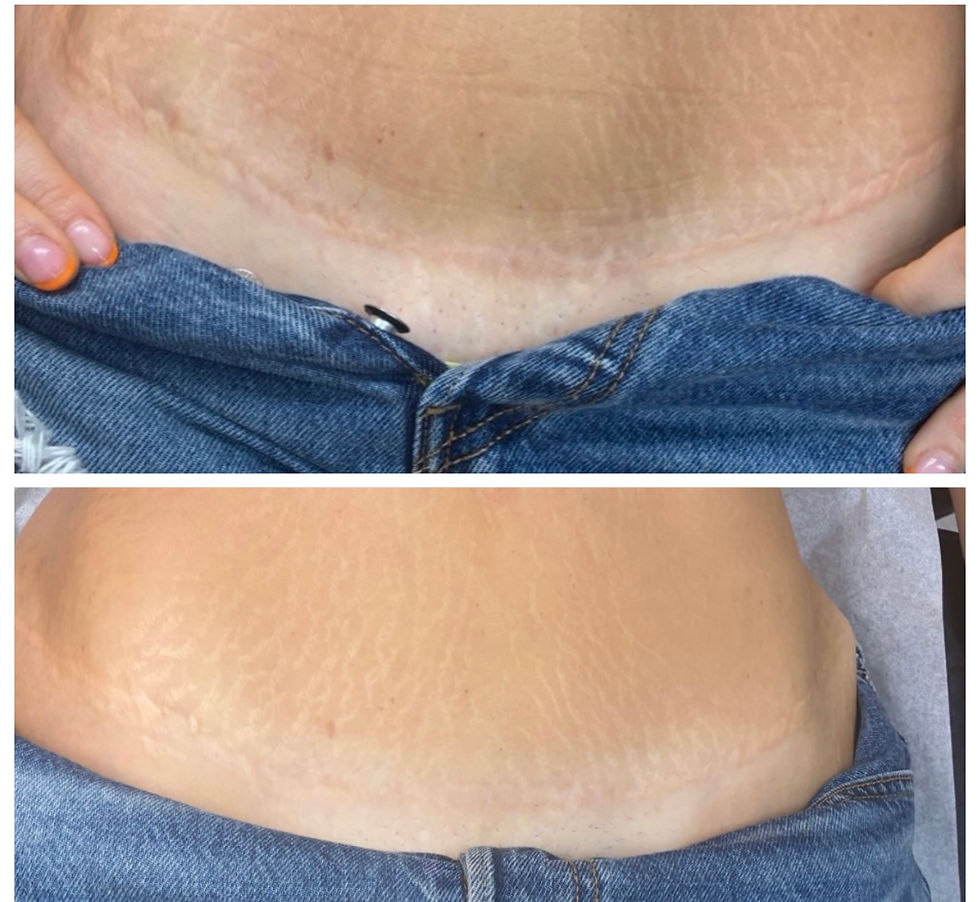
Advanced scar camouflage techniques now address previously challenging cases, including dark scars, keloid formations, and irregularly textured tissue. New approaches consider not just color matching but also the optical properties of different scar types.
Layered pigmentation techniques create depth and dimension that help camouflage raised or depressed scarring. These methods require extensive training to master but produce results that dramatically improve client confidence and quality of life.
Treatment planning now incorporates detailed scar analysis and staged treatment approaches. This methodical process ensures optimal outcomes while minimizing the risk of complications or unsatisfactory results.
Technology Integration and Documentation
Digital photography and documentation systems help practitioners track healing progress and refine techniques. Before-and-after comparisons provide valuable feedback for continuous improvement and client communication.
Treatment planning software assists in visualizing potential outcomes and communicating expectations with clients. This technology helps ensure alignment between client goals and realistic treatment possibilities.
The integration of digital tools in medical aesthetics continues to enhance both treatment planning and outcome assessment. These advances support evidence-based practice and continuous quality improvement.
Future Directions in Medical Tattooing
Emerging technologies promise even greater precision and improved outcomes in medical tattooing applications. Research into smart pigments that respond to skin changes and advanced delivery systems continues to push the boundaries of what's possible.
The integration of artificial intelligence in color matching and treatment planning may further enhance precision and consistency. These developments will likely make advanced medical tattooing techniques more accessible to practitioners and clients alike.
As the field continues to evolve, the emphasis on scientific rigor, safety, and artistic excellence ensures that medical tattooing will remain a valuable tool for helping individuals restore confidence and reclaim their sense of wholeness after medical procedures or trauma.



Comments