


Complete Guide to Areola Tattoo Aftercare

Getting an areola tattoo can be a life-changing experience. It helps restore confidence and brings a sense of normalcy after surgery or trauma. But the journey does not end with the tattoo session. Proper care afterward is crucial. I want to share everything you need to know about caring for your new tattoo. This guide will walk you through the best practices, tips, and what to expect during healing. Plus, I’ll explain the amazing paramedical tattooing benefits that make this procedure so valuable.
Understanding Paramedical Tattooing Benefits
Paramedical tattooing is more than just cosmetic. It’s a specialized technique designed to restore the natural look of skin affected by scars, burns, or surgery. For many, it’s a key step in emotional and physical healing.
Here’s why paramedical tattooing benefits are so important:
Restores natural appearance: It recreates the look of the areola and nipple, blending seamlessly with your skin tone.
Boosts confidence: Many people feel more comfortable and confident in their bodies after treatment.
Non-invasive solution: Unlike surgery, tattooing is less invasive and has a quicker recovery time.
Long-lasting results: With proper care, the results can last for years.
Customizable: Each tattoo is tailored to your unique skin tone and shape.
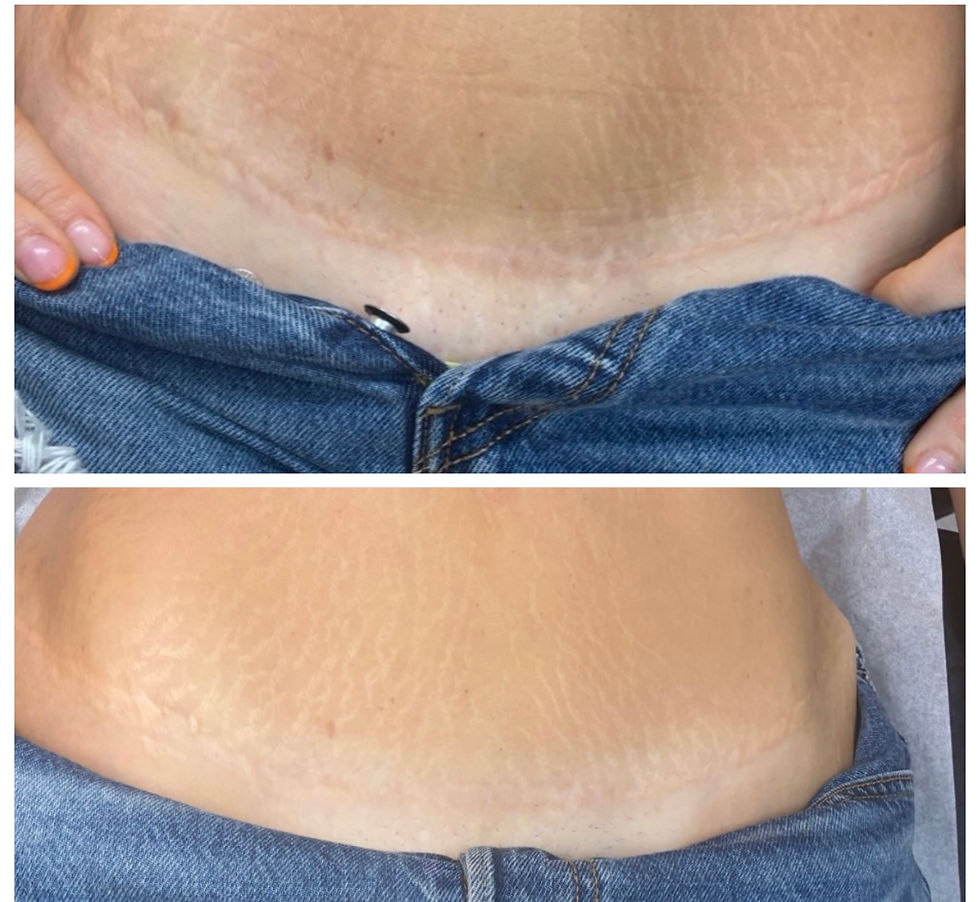
This technique is especially helpful for those who have undergone mastectomies or breast reconstruction. It can also cover scars and uneven pigmentation, making the skin look smooth and natural again.

What to Expect Right After Your Areola Tattoo
Right after your session, your skin will be sensitive and slightly swollen. This is normal. The tattooed area might look darker or more vibrant than you expect. Don’t worry - the color will soften as it heals.
You might notice:
Mild redness around the tattoo
Slight tenderness or itching
A thin layer of scabbing or peeling
These are all signs that your skin is healing. It’s important to resist the urge to pick or scratch the area. Doing so can cause scarring or uneven pigment.
Your artist will give you specific instructions on how to care for your tattoo. Follow them closely. If you want to learn more about detailed areola tattoo aftercare, this guide will help you understand the essentials.
Essential Areola Tattoo Aftercare Tips
Taking care of your tattoo properly is the key to beautiful, lasting results. Here are the most important steps to follow:
Keep it clean: Gently wash the tattoo with lukewarm water and mild, fragrance-free soap twice a day. Use your fingertips, not a washcloth.
Pat dry: Use a clean, soft towel to pat the area dry. Avoid rubbing.
Apply ointment: Use a thin layer of the recommended healing ointment or moisturizer. Avoid heavy creams or petroleum jelly unless advised.
Avoid soaking: No swimming, hot tubs, or baths for at least two weeks. Showers are fine but keep the tattoo out of direct water spray.
Wear loose clothing: Tight clothes can irritate the tattoo. Choose soft, breathable fabrics.
Protect from sun: Keep the tattoo covered or use a high SPF sunscreen once healed. Sun exposure can fade the pigment.
Avoid makeup or lotions: Don’t apply any products not recommended by your artist during healing.
No picking or scratching: Let scabs fall off naturally to prevent scarring.
Remember, healing times vary. Most tattoos take 2-4 weeks to heal fully. During this time, your skin will go through different stages. Be patient and gentle with yourself.

Common Healing Stages and What They Mean
Understanding the healing process helps you know what to expect and when to seek help. Here’s a quick overview:
Days 1-3: The tattoo looks fresh and bright. You may see redness and swelling.
Days 4-7: Scabbing and peeling begin. The tattoo may look dull or patchy.
Days 8-14: Scabs fall off naturally. New skin forms underneath.
Weeks 3-4: The tattoo settles into its final color and texture.
If you notice excessive redness, swelling, pus, or severe pain, contact your tattoo artist or healthcare provider. These could be signs of infection.
How Paramedical Tattooing Benefits Your Emotional Well-being
The physical transformation is just one part of the story. Paramedical tattooing benefits extend deeply into emotional healing. Many people feel a renewed sense of self after their procedure.
Here’s how it helps:
Restores body image: Seeing a natural-looking areola can help you feel whole again.
Reduces anxiety: No more worrying about visible scars or uneven skin.
Improves intimacy: Feeling confident in your body can enhance personal relationships.
Empowers you: Taking control of your appearance is a powerful step in recovery.
This procedure is a form of self-care and self-love. It’s about reclaiming your body and your story.
Final Thoughts on Caring for Your Areola Tattoo
Taking care of your tattoo is a simple but vital part of the process. Follow the steps carefully, listen to your body, and don’t hesitate to ask for help if you need it. Your new tattoo is a beautiful symbol of healing and strength.
If you want to explore more about areola tattoo aftercare, or if you’re considering paramedical tattooing, Scar Camouflage Florida is here to support you. Their expert team understands the importance of this journey and will guide you every step of the way.
Remember, this is your time to feel confident and comfortable in your skin again. You deserve it.


Comments